

The Wachau Cultural Landscape was inscribed as a UNESCO World Heritage Site in 2000; the Wachau wine region in Austria is deservedly one of the world’s most spectacular winemaking regions. It has idyllic scenery with steeply terraced vineyards and quaint historical villages complete with castles and historic churches. Despite stretching only 12 miles (19 km), the Wachau packs remarkable diversity into a compact region.
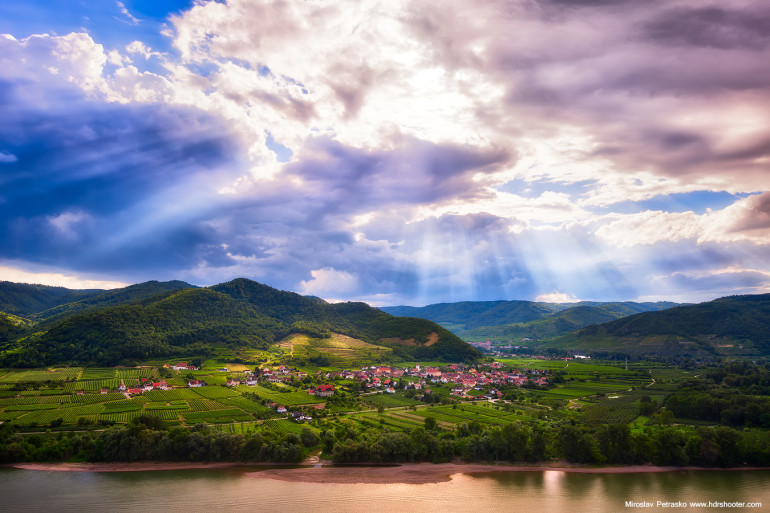
A Guide to the Wachau Valley Wine Region
The Danube is the longest river in the European Union and the second longest in all of Europe (the longest is the Volga River). It flows through 10 countries, beginning in Germany before emptying into the Black Sea.
A Lil’ History
Many of the region’s wineries date back at least eight generations. There are a few special exceptions, including Hirtzberger, which has been in business since the early 1800s; Gritsch, which dates back to 1799; Weingut Maccherndl, which dates back to 1786; and Nikolaihof, the oldest winery in Austria, with records dating back to 777.
The Wines of the Wachau
The Wachau Valley region is small, with 124 vineyards and 650 growers cultivating 3,340 acres (1,350 ha) of land, planted mainly with Riesling and Grüner Veltliner. Grüner Veltliner is commonly planted on loess-rich lower slopes, while Riesling is often reserved for the highest, steepest vineyards dominated by primary rock.
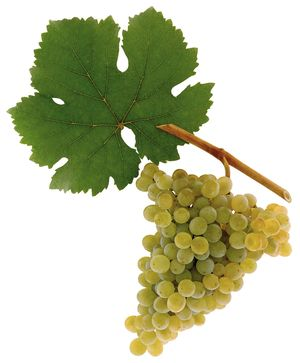
Grüner Veltliner
In general, this grape makes a lean, mineral-driven dry white wine. Flavors range from the spicy (arugula, pepper, smoky) and herbal (coriander seed) to floral (white flowers) and fruity (green apple, pear, apricots, and tropical fruits), yet they all retain a plush, rounded texture, well-supported by lively acidity. Grüner Veltliner wines have a richer mouthfeel than Riesling wines, making side-by-side tastings much more compelling.
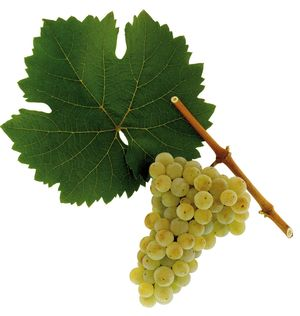
Riesling
In contrast, Rieslings retain a more taut and racy backbone of acidity. Less weighty than Grüner Veltliner, Riesling showcases a range of complex aromas, from a honeysuckle/apple-blossom floral note to ripe peach and lime zest. You’ll note a long salty mineral-driven finish.
Other Wines
Besides Riesling and Grüner Veltliner, a few producers grow other grape varieties. For example, Gritsch in Spitz has some Sauvignon Blanc as well as a rare indigenous grape called Neuburger. Others, like Holzapfel in Joching and Maccherndl in Wösendorf, make a small percentage of the red wine Zweigelt. In addition, you can also find very limited quantities of Chardonnay, Weissburgunder (Pinot Blanc), Malvasia, and Muskateller.

Wachau’s Special Wine Designation
Founded in 1983, the Vinea Wachau Nobilis Districtus is a regional vintners’ association with over 250 members. Although not officially part of Austrian Wine Law, it plays a role similar to the VDP in Germany: a quality-based organization with strict controls. There are 3 different styles (all must be dry without any perceivable wood flavors) that adhere to Codex with the goal of handcrafted, high-quality wines expressing the unique character of Wachau’s different vineyard sites.

Steinfeder (a type of feather grass indigenous to the region) is the lightest style, with a maximum alcohol level of 11.5%. The style is lively, refreshing, and delicate. (Think Trocken Kabinett from Germany).
Federspiel (a type of bird used as prey in falconry) must have an alcohol level between 11.5% and 12.5%, essentially making the wines a bit richer on the palate. These are very precise styles that pair well with food.

Smaragd refers to the emerald-green lizards found on terraces and is the highest-quality category and the most powerful. Wines in this category must have a minimum alcohol content of 12.5% and are the most ageworthy. Think Grosses Gewächs from the VDP.
Winemaking Differences in the Wachau
While the terroir and grapes of the Wachau define the essence of Wachau wines, you’ll notice that there are stylistic differences based on winemaking as well:
- Oak: By law, no wines can show “noticeable oak influence”, so most winemakers use neutral oak (if any at all). A few proponents of oak aging argue that it adds to the wine’s structure and richness. Wines with oak tend to be a bit creamier.
- Skin contact: Skin contact is another technique that you will find varies depending on producer. Proponents of long skin contact (up to 10 days) note that it seems to coax out attributes unique to an individual site’s terroir. Wines with longer skin contact tend to be a bit weightier and tannic.
- Lees: Lees aging also impacts the style of wine in the Wachau. Long lees contact is known to soften hard/bitter phenolics, resulting in a creamier, rounder texture. Some will age from 12 months to as long as 13 years (in one unique instance)!
- Noble Rot: One final winemaking technique is the addition of a small percentage of botrytisized grapes (e.g., noble rot), which adds richer texture and additional aromatic compounds, giving the wine greater aromatic complexity.

The Wachau Valley Wine Region
The Wachau wine region is located 90 miles from the Slovak border and an easy 1-hour drive from Vienna. The climate is central European (continental), marked by short, cold winters and a long, dry growing season. Harvest time is often late in the season (into November), due to the moderating effect of the Danube River (which slows freezing weather). Although annual rainfall is relatively low, many vineyards rely on deep-rooted vines and careful water management rather than routine irrigation.
How Austria’s Continental Climate Affects Wine
With controlled watering and dry, sunny weather, grapes achieve full ripeness and respectable alcohol levels (12-14%). However, because the season is longer, the grapes still maintain their heightened acidity (a win-win!). Noble rot is relatively uncommon compared to wetter European regions, and thus, the region is traditionally known for producing dry white wines.
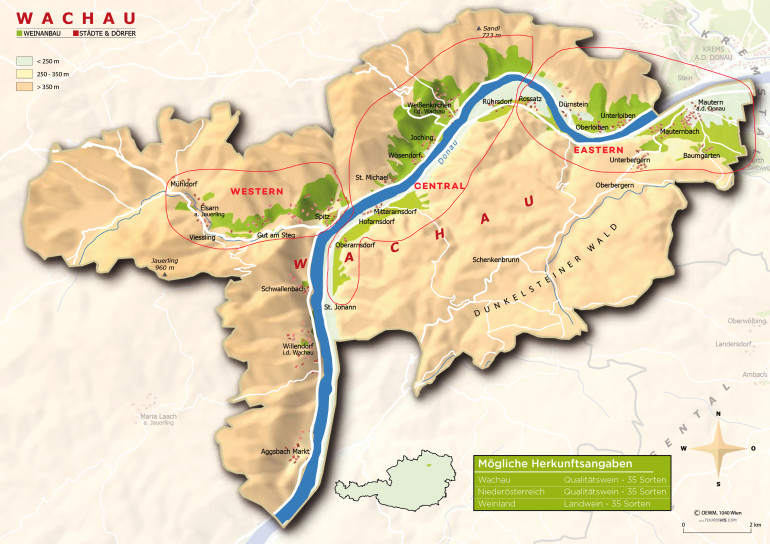
Western Wachau: In the western village of Spitz and the Spitzer graben, cooling breezes from the northern Waldviertel forest help keep overall temperatures down. This produces leaner wines with fresh, vibrant acidity. Soils here range from calcareous sandy marls (Burgberg vineyard) that yield lighter wines to darker-colored paragneiss lined with iron (Atzberg vineyard) and more structured wines.
Central Wachau: In the central district of the Wachau near Weissenkirchen, the climate becomes more influenced by the warming Pannonian Basin breezes, resulting in slightly richer styles. Fertile loess and amphibolite soils result in well-structured styles in the famous Achleiten and Hochrain vineyards.
Eastern Wachau: Surrounding Durnstein, even further east, the climate warms even more. This area consistently produces more fleshy, richly textured styles, which are found on gneiss (granite-like) infertile soils, such as the large 61-acre/25 ha Loibenberg vineyard.

The Vineyards of the Wachau
Visually and culturally stunning are the 1,000-year-old man-made stone wall terraces. These are considered “dry”, meaning there is no mortar to hold them together, allowing water to drain through. These walls simultaneously protect the terraces from erosion and provide much-needed heat (they retain heat during the day and release it at night) on cool evenings. Without these man-made terraces, viticulture would be impossible on the steep slopes (up to 1,640 ft / 500 m high).
Rock Talk
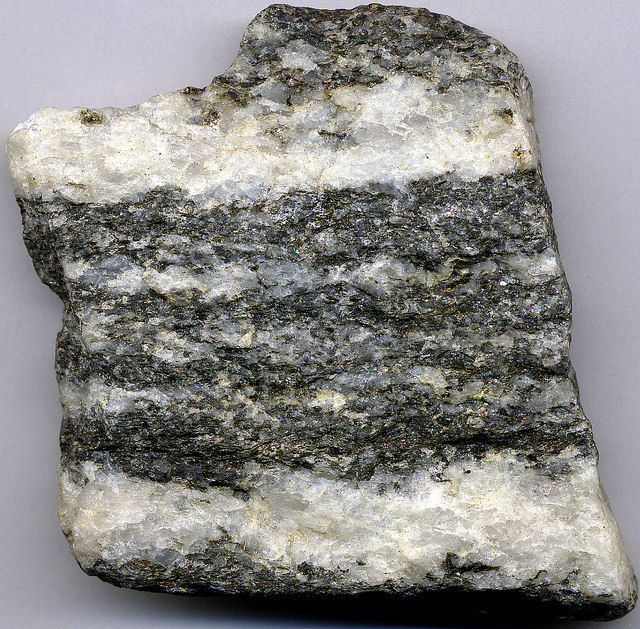
The Wachau’s geology is fascinating. Tectonic plates collided 350 million years ago, creating mountains. Over time, heat and pressure metamorphosed these granite rocks into gneiss, marble and amphibolite–the main bedrocks in the region. The Danube River gouged its way through this gneiss, leaving marine deposits (clay and calcareous marl) in former river beds before finding its current course.
Ice Age winds blew eastern sands (e.g., loess), which you’ll find on the lower slopes and in the flatter parts of the region. Finally, areas in the region that are in front of steep hills collected erosion deposits and have much deeper topsoils. This level of soil variation is typical of many fine wine regions, including Burgundy, and results in the wines tasting different depending on the vineyard where they’re grown.
If You’re Planning to Go
- For dining, the Wachauerstube restaurant in Durnstein is worth a visit. Daily specials vary from handmade pumpkin soup with roasted pumpkin seeds to local catfish, a regional specialty.
- Gasthof Prankl in Spitz offers cosmopolitan dining with curry-based soups and Asian-themed dishes appearing alongside traditional schnitzel and Austrian potatoes.
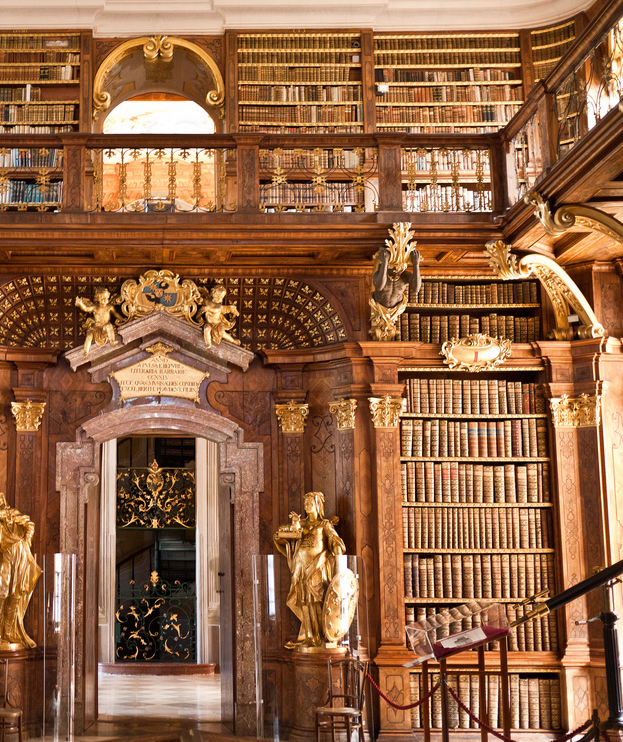
- The impressive Melk Abbey was founded in 1089; it has a spectacular Baroque appearance dating largely to the early 18th century. To sum it up: it’s epic.
- Weissenkirchen (meaning white church) is one of the oldest fortified church squares in Austria and home to the country’s longest continually-run parish school (since 987). It’s also surrounded by vineyards.
- Durnstein is the most touristy village–it’s so quaint! You can take a 30-minute hike up the mountainside behind the town for spectacular views.
- Krems, although not technically part of the Wachau, is the biggest city in the area and the best place for shopping.