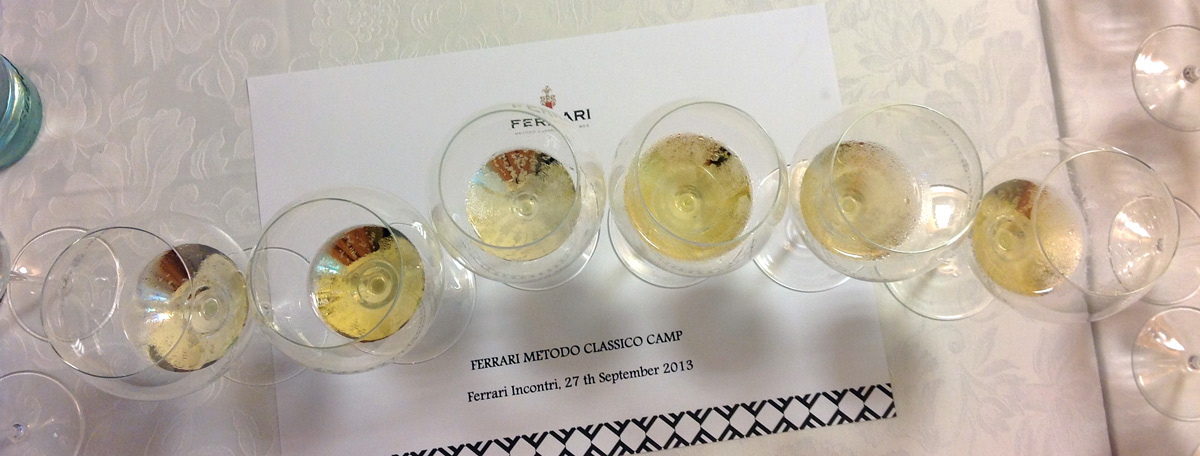
Hosting a wine tasting party is one of the fastest ways to learn more about wine and have your friends leave thinking you secretly became a sommelier.
How to Host a Wine Tasting Party
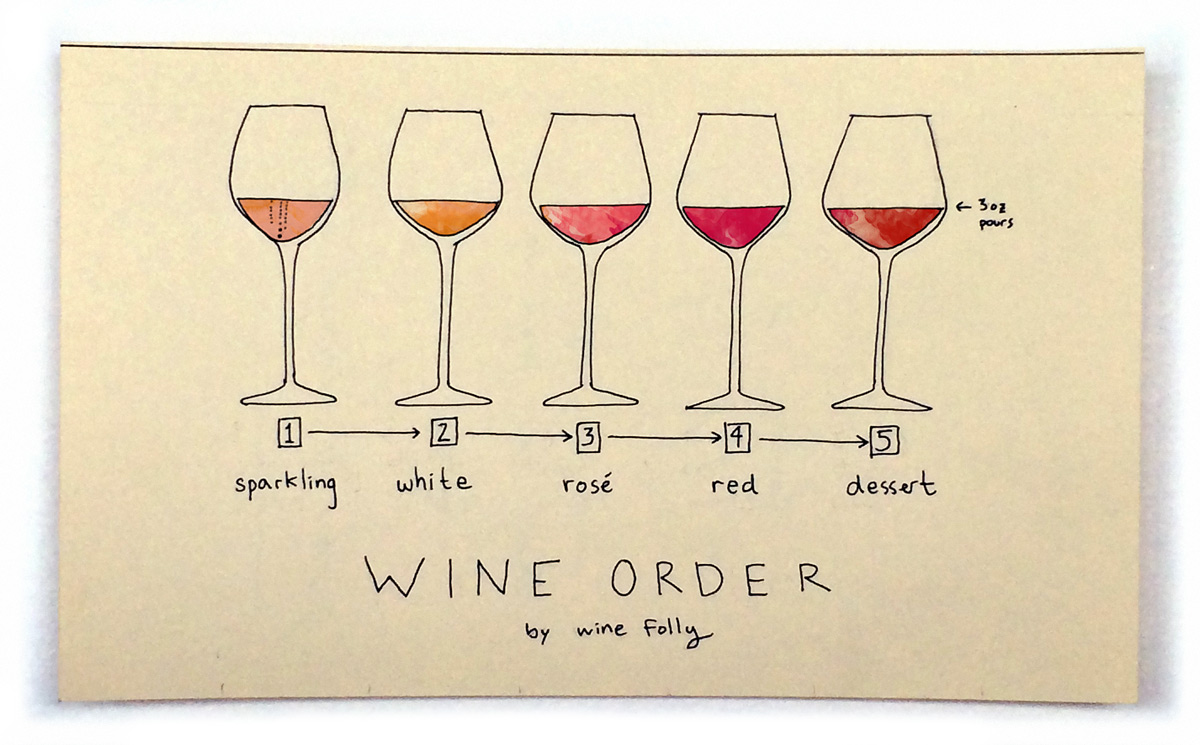
Wine tastings teach people how to compare wines side by side, which is exactly how you start noticing what makes one bottle different from another.
- Choose a selection of 4–6 wines that have a common theme
- Enough wine glasses for each guest to taste two wines side by side
- Serve wines in a well-lit room without too many distractions
The magic of a tasting isn’t finding the ‘best’ wine; it’s noticing differences between wines side by side. That comparison trains your palate faster than drinking bottles one by one.
A note on odors: Keep the tasting area as neutral-smelling as possible. Wine easily picks up surrounding aromas. Ask guests to avoid heavy perfume or cologne, which can interfere with everyone’s ability to smell the wines.
Selecting Wines
A clear theme transforms a tasting from ‘drinking random bottles’ into an actual wine experience. Here are a few easy tasting formats that always work:
- A single wine from two regions (e.g. Malbec from Argentina vs France)
- A single varietal or similar wine style from one region by different producers
- A single wine from different vintages
- A single varietal from a cool-climate vs. warm-climate
- A single varietal from three price points
- Low-alcohol wines under 12% ABV
Check out a few more wine tasting themes for inspiration.
How much wine to serve?
A standard tasting pour is about half the size of a regular serving, at around 2–3 ounces (75–90 ml), and a bottle of wine contains about 10 tasting pours. Always buy a little extra; people pour heavier after the second wine. For a party of 8–10, plan on buying two bottles of each wine.
If your tasting includes several wines above 14.5% ABV, consider serving smaller pours or adding extra breaks between wines. High-alcohol wines fatigue the palate faster than most people expect.
Supplies
- Wine
- Wine opener
- Identical wine glasses (different-shaped glasses can change how wines smell and taste)
- Water
- Napkins
- Wine Tasting Placemat (encourage guests to write down simple impressions like ‘fruity,’ ‘earthy,’ ‘bright,’ or ‘smooth’ instead of worrying about formal tasting terminology)
- Palate cleanser (water crackers)
- Personal spittoon, like a red Solo cup (Spitting is completely normal during tastings and helps guests stay sharp while comparing multiple wines.)
- Dump bucket
- Polishing cloth
- Decanter (for bold reds)
- Wine bags (for blind tasting)
Setting Up The Tasting
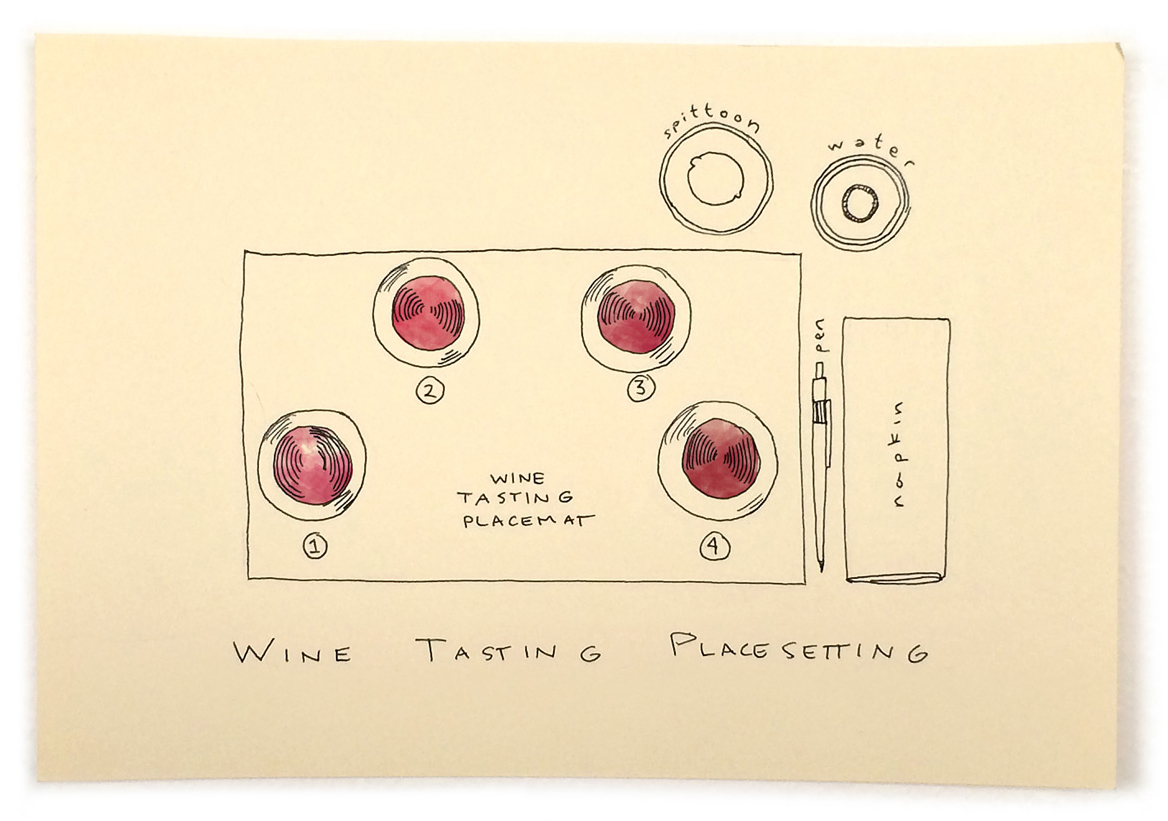
Before guests arrive, you’ll want to set aside some time to prepare your space. Decant any bold red wines that need air. Then set the table, set out simple snacks, and finally get your aperitif wine ready to serve as an ice-breaker as your guests start to arrive.
Tips
- Rent glassware: If you’re hosting for more people than you have glasses, definitely rent glassware. Wine glasses rent for about $1–3 (depending on the quality), and you don’t even have to wash them. Matching glassware instantly makes the tasting feel more polished and saves you from washing 40 glasses afterward.
- Start Simple: Professional wine tastings are often kept simple, with crackers or bread as palate cleansers alongside water and spittoons. If food is offered, it’s usually limited to simple self-serve appetizers.
- Easy Appetizers: Choose appetizers that are single-serve and easy to hold and eat with a napkin. Four easy-to-prep foods come to mind: cheese, fresh fruit, bread, and cured meats. Avoid overly spicy, vinegary, or sweet foods during the tasting because they can distort how wines taste.
- Start With an Aperitif: It seems odd to serve wine before a wine tasting, but it makes sense. Just a splash of some sparkling wine or a simple wine cocktail will relax your guests and help them settle into the tasting. An aperitif buys you a few extra minutes of setup while guests settle in.
- Stagger Wine Service: Don’t rush the pours. Giving each wine 10–15 minutes keeps people engaged and encourages discussion.
- Wine Info Print-Outs: Share producer tech sheets, maps, or tasting notes digitally using QR codes or printed cards. Guests love discovering why one wine tastes more floral, earthy, or fruit-forward than another.