

Fortified wine is one of the wine world’s most misunderstood categories. Adding grape spirit to wine does more than raise its alcohol level. Depending on when it’s added, it can preserve natural grape sweetness, create a dry and nutty style, or help a wine develop remarkable complexity over decades.
From Portugal to Spain to southern France, fortified wines offer some of the most distinctive flavors in the wine world. They’re also surprisingly affordable, with plenty of excellent bottles available around $20.
Here are four styles worth getting to know.

4 Classic Fortified Wines to Try
What Does It Mean to “Fortify” a Wine?
Fortification involves adding grape spirit or grape brandy to wine or fermenting grape must. Depending on the style, this happens before, during, or after fermentation.
Depending on when it’s added, the alcohol increases the wine’s strength, helps stabilize it, and can stop fermentation before all the grape sugar is converted into alcohol.
In many fortified wines, spirit is added during fermentation to stop yeast activity before all the grape sugars have been converted into alcohol, preserving natural sweetness. Others, such as dry Sherry, are fortified after fermentation and contain little or no residual sugar.
Moscatel de Setúbal
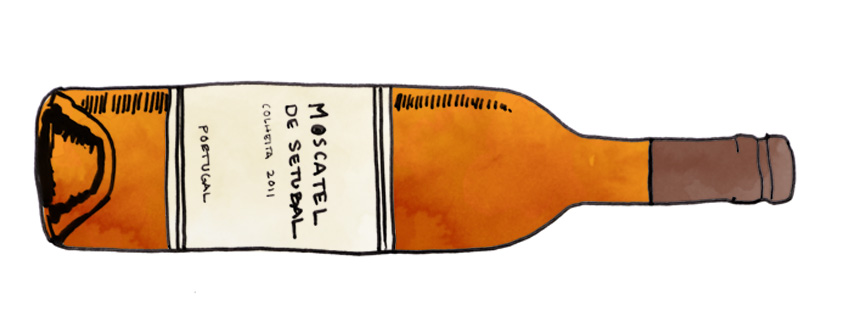
This underrated delight comes from the southern part of Portugal and is an exceptionally well-valued alternative to Tawny Port (another amazing Portuguese find). Look for ‘Superior’ bottlings, which must be aged for at least five years and meet additional quality requirements. Extended aging often brings more complex flavors of dried fruit, nuts and caramel.
- Taste: dried fig, date paste, marmalade, roasted cashew, apricot compote
- Grape varieties: Moscatel de Setúbal (Muscat of Alexandria) and Moscatel Roxo (Moscatel Galego Roxo)
- Typical price: $12
- Recommended pairings: dark chocolate, coconut cream pie, firm cheeses, exotic nuts, cinnamon ice cream, sticky toffee pudding
Muscat of Samos

Muscat is the signature grape of Samos, a Greek island in the Aegean Sea. It’s used to produce several styles of wine, including Vin Doux, Vin Nectar, Vin Doux Naturel Grand Cru, and Anthemis.
- Taste: honey, apricot sauce, sweet pineapple, orange blossom, sweet mango and candied pecan
- Grape: Muscat Blanc à Petits Grains
- Typical price: $13
- Recommended pairings: Baklava, sharp cheeses, fresh fruit tart, stollen
Serving Fortified Wines
Because of their elevated sugar and alcohol levels, you’ll notice that serving sizes for fortified wines are about half the size of standard dry wines.
- 2.5 oz / 75 ml serving size
- Best served cool (50–55 °F / 10–13 ºC)
- Use a white wine or dessert wine glass
Rasteau Vin Doux Naturel
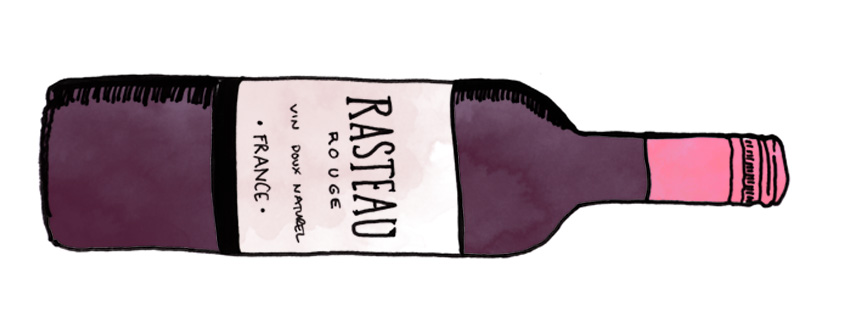
Among the dry reds of the Southern Rhône, Rasteau offers something different: a sweet red fortified wine made primarily from Grenache.
- Taste: stewed sweet raspberry, currant jam, raisin, cocoa powder, exotic spices, Darjeeling tea
- Grape: 90% Red Grenache
- Typical price: $20
- Recommended pairings: chocolate truffles, brownies, chocolate pudding/mousse, bûche de Noël, blue cheese
Amontillado Sherry
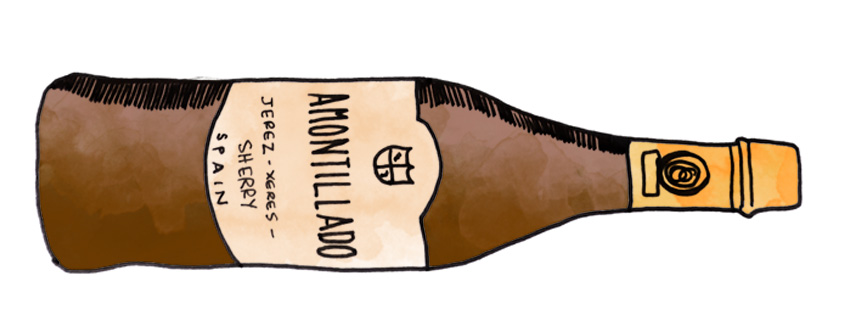
If you’re part of the anti-sweet wave, there is still hope for you in the form of Sherry. For the holidays, Amontillado delivers a dry, nutty character with a savory edge that makes a refreshing change from holiday sweetness.
- Taste: toasted walnut, hazelnut, burnt sugar, preserved lemon, bitter orange peel, citrus pith
- Grape: Palomino (Palomino Fino)
- Typical price: $15
- Recommended pairings: peanut brittle, shortbread cookies, gingersnaps, marcona almonds, seasoned Spanish olives, fruitcake
Get Some
Pick up one of these wines, chill the bottle slightly, and pour yourself a snort to see what it’s all about.