Italy's Map Explains More Than Any Guide
Italian wine labels have a sneaky way of making simple things complicated. Instead of telling you the grape, they often give you a place: Barolo, Chianti Classico, Valpolicella, or Montepulciano d'Abruzzo. The catch? Those place names can stand in for hundreds of Italian grape varieties.
This is where geography becomes your secret weapon.
Watch the video above to see how reading Italian wine by place can make those labels a whole lot easier to crack.
The Italian Wine Shortcut
Italy runs from the Alps in the north to Sicily in the south, with the Apennines stretching down the peninsula. That geography creates a broad climate pattern that can tell you a lot about what's in your glass.
Northern Italy is generally cooler, so grapes ripen more slowly, preserving acidity and producing wines that tend to feel lighter, fresher, and more structured.
Central Italy lands somewhere in the middle. Hills, elevation, and Mediterranean influence shape many of the country's best-known wines.
Southern Italy and the islands are warmer and sunnier. Grapes can ripen more fully, leading to riper fruit, fuller bodies, and often higher alcohol.
But latitude is only the starting point. Elevation, mountains, sea breezes, vineyard exposure, soils, yields and winemaking decisions can all push a wine away from what its latitude alone would suggest.
Start in the North
Northern Italy shows why geography is only useful when you zoom in. The Alps and other mountain ranges create cool conditions and high-elevation vineyards, while broad plains elsewhere support much larger-scale farming.
Take Prosecco DOC, which stretches across parts of Veneto and Friuli-Venezia Giulia, including extensive low-elevation territory. The wines are typically fresh, fruity, and easy to drink.
Then there's Barolo, from the hills of Piedmont in the west. It's built around Nebbiolo, a late-ripening grape with naturally high acidity and firm tannins. Steep hillside vineyards, low yields, and labor-intensive production help create a wine with a very different style and price point from Prosecco.
Northern Italy's whites and sparkling wines show the same range. Pinot Grigio from the plains can be crisp and straightforward, while higher, cooler sites in Alto Adige tend to produce wines that are more aromatic and structured.
And not everything from the north is light. Check the ABV; alcohol levels can hint at a wine's weight and warmth.
Central Italy's Hills
In Central Italy, where the grapes grow really matters.
Tuscany's most famous red grape, Sangiovese, is behind both Chianti Classico and Brunello di Montalcino. It's naturally high in acidity and highly responsive to where it's grown. Hilltop vineyards benefit from cooler temperatures and airflow, while differences in soil, exposure, and altitude can change how the grape ripens.
Chianti also shows how much history a place name can carry. Cosimo III de' Medici formally defined the original Chianti production area in 1716. When the broader Chianti appellation later expanded beyond those boundaries, the historic zone became Chianti Classico.
Within Chianti Classico, Riserva means additional aging, while Gran Selezione has stricter production rules. Like DOC and DOCG, these terms aren't a universal Italian quality ladder. Their meaning depends on the appellation.
Head South
Farther south, warmth takes the lead. Puglia's Primitivo delivers ripe, plush fruit, while Sicily's Nero d'Avola ranges from fresh and medium-bodied to rich and powerful. Aglianico brings ripe fruit, acidity, and tannin; Cannonau, Falanghina, and Grillo round out the region's reds and whites.
But elevation can flip the script. On Etna, vineyards climb an active volcano, where altitude creates conditions far cooler than Sicily's latitude suggests.
Southern Italy isn't one giant bottle of sunshine. Geography still calls the shots.
Reading the Label From Here
Grape memorization isn't the fastest way into Italian wine. Geography is.
- North: cooler climates often mean higher acidity, fresher styles and more structure — though drying techniques like appassimento can push alcohol and body well past what the region's climate would predict.
- Central: hills, elevation, and Mediterranean influence create a huge range of styles, from savory Sangiovese to coastal whites.
- South and islands: warmth often means riper fruit, fuller body and higher alcohol, but elevation and the sea can change the picture.
- Classification: IGT, DOC, and DOCG signal how tightly a wine's origin and production are regulated; terms like Classico, Riserva and Gran Selezione add detail, but only within that specific appellation's rules.
Start with the map. Then read the rest of the label.
Wines Mentioned
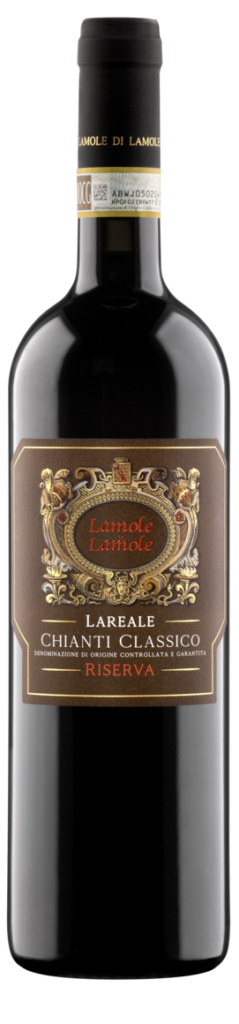
Lamole di Lamole
2021 Lareale Chianti Classico Riserva
Chianti Classico Riserva | Toscana
Lareale comes from areale, an Italian term that indicates a territory's historical and geographical attributes. Lareale pays homage to the authenticity and uniqueness of Chianti Classico. For us, it’s the perfect representation of the concept of a Riserva wine. Austere and refined, Lareale Chianti Classico Riserva is our legacy for future generations.
The palate is dynamic, showing leather and spice, extending to a very long and complex mineral finish. A textbook Riserva: elegant, with nicely firm structure and very savory, fine-grained tannins.
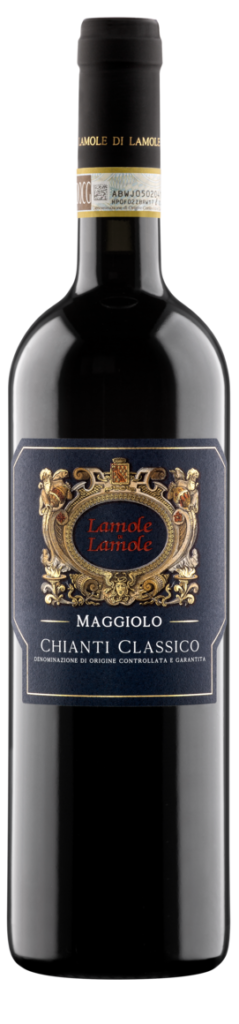
Lamole di Lamole
2024 Maggiolo
Chianti Classico | Toscana
Maggiolo Chianti Classico D.O.C.G. is a taste of the joyful sunniness of our area. The name of this tasty, rounded wine is based on that of the iris (“giaggiolo”), a typical flower of the Lamole area that dots our vineyards in the month of May (“Maggio”) when it is at the height of its splendor. We can perceive it in the enchanting sensations and the gentle, soothing textures it offers us with every sip.
Ripe and juicy red cherries, earthy notes, and warm baking spices fill the palate. The slight sweetness of vanilla adds to the appeal. The body is broad and enveloping, tannins are lush, and acidity is bright. Freshness and youth, combined with rich fruity flavors.
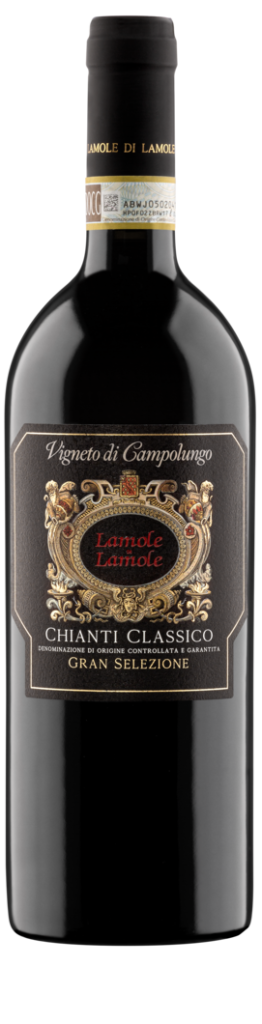
Lamole di Lamole
2021 Vigneto di Campolungo
Chianti Classico Riserva | Toscana
We have selected grapes with exceptional aromatic intensity from the historical Campolungo vineyard, which stretches from 1378-1903 feet above sea level amidst historical terraces, to create this Chianti Classico Gran Selezione. The winemaking wisdom of Lamole di Lamole results in a superb and solemn wine that declares its origin in its name, Vigneto di Campolungo Chianti Classico Gran Selezione. It’s the result of our dedication and the fruit of one of our best vineyards.
On the palate, it is powerful and vigorous, dynamic and elegant. Tannins are dense and sleek, and there are notes of espresso and clove on the finish.
Related Videos

Is a Glass of Wine Every Night Actually Bad for You?

12 Wine Words That Finally Make Sense