

Whole cluster fermentation keeps showing up in wine conversations, and for good reason. You may have heard people describe these wines as “stemmy,” but what does that actually mean?
What Is Whole Cluster Fermentation?
Whole cluster fermentation means fermenting entire grape bunches—stems and all. (Normally, grapes go into a destemming machine before fermenting.) In fact, this was the default way to make wine for centuries, before destemming machines were invented; it was impractical to pluck off individual grapes by hand.

Why Ferment Whole Bunches?
Winemakers use whole clusters to add spice, herbal character, texture, and sometimes even a lift of candy-like fruit aromas.
Beyond green and herbal notes, the stems impart a whole range of aromatic and textural qualities into wines. So, if whole cluster “stemmy” flavors have turned you off before, you might try them again. In the right wine, those stem-derived flavors can be part of what makes the wine so compelling.
Let’s take a look at some common grape varieties that use whole clusters in the fermentation.
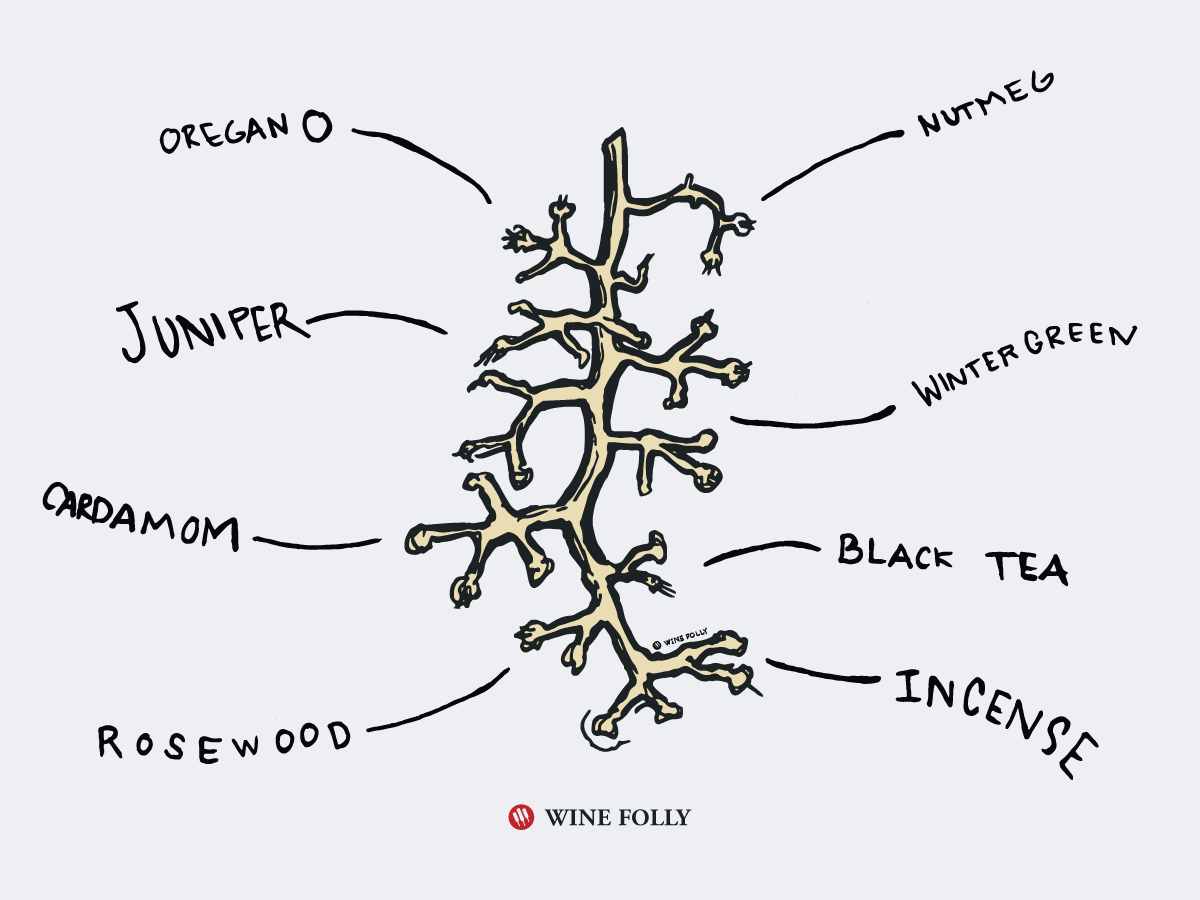
Pinot Noir
Pinot Noir is naturally lighter in color, tannin, and body than many red grapes. So, if you want to intensify the structure and ageability, it’s not uncommon to ferment whole clusters. Today, many Burgundy producers include at least some whole clusters in their Pinot Noir fermentations. In fact, Henri Jayer popularized a radical shift away from whole-cluster vinification in the 1970s, but the practice is making a comeback (and in the New World as well).
Example:
Syrah
Syrah can deliver powerful dark-fruit flavors, but it’s equally prized for its savory side. Some of the world’s most famous whole-cluster wines come from the Northern Rhône (Syrah’s homeland, just a bit south of Burgundy). Many winemakers choose to ferment Syrah with whole clusters to enhance the spice character in these wines.
Example:
Gamay
Gamay shares Pinot Noir’s lighter body, but often brings more crunch, bitterness, and bright acidity. Because of this, one traditional way to make Gamay is carbonic maceration, in which whole clusters are placed in a tank sealed with carbon dioxide. During carbonic maceration, fermentation begins inside intact berries before traditional fermentation takes over. The whole clusters are then pressed, and fermentation finishes. This style of fermentation softens Gamay and gives it floral notes of peony, violet, and iris.
Example:
Others
Whole clusters tend to work best with grapes that have enough acidity and fruit intensity to balance the stems. It’s quite common with Grenache. Thick-skinned grapes can also benefit from whole-cluster fermentation, though, especially for winemakers seeking a lighter extraction from rich varietals.
Example:
How Stems Make or Break a Wine
Stems are chemically complex and radically alter the wine’s chemical profile.
Stems work best when there’s plenty of acidity to spare. The stems add a wallop of potassium to fermenting must. Potassium binds with tartaric acid, so titratable acidity (TA) goes down, and pH goes up. This is risky for wines with naturally lower acidity as it reduces that mouth-watering freshness and increases the risk of spoilage (from microbes).
Stems contribute herbal flavors, so wines with concentrated fruit often handle them best. The stems bring even higher levels of methoxypyrazines (MPs) than the berries. Thus, Bordeaux varieties (like Cabernet and Merlot) rarely ferment with whole clusters because they risk becoming too herbaceous.
Since stems increase tannin, many winemakers pair them with fruit that can support the added structure. Stems contain a considerable amount of tannins and other phenolic compounds, many of them the same antioxidants found in chocolate and tea. Analysis reveals that, controlling for other winemaking factors, whole-cluster usage significantly increases tannin levels.
Whole-cluster fermentations can create candy-like fruit aromas, which is one reason they’re often paired with grapes that show strong savory or mineral characteristics. The “candied” flavors associated with whole cluster fermentations are similar to those of wines made with carbonic maceration (see Gamay above for a description). Some even liken the taste to a bubblegum-y fruitiness. Since it’s a distinct winemaking flavor, some argue that grapes with strong site character, or “minerality,” are needed to counter the cloying fruity notes.
Flavors in Wine From The Stems
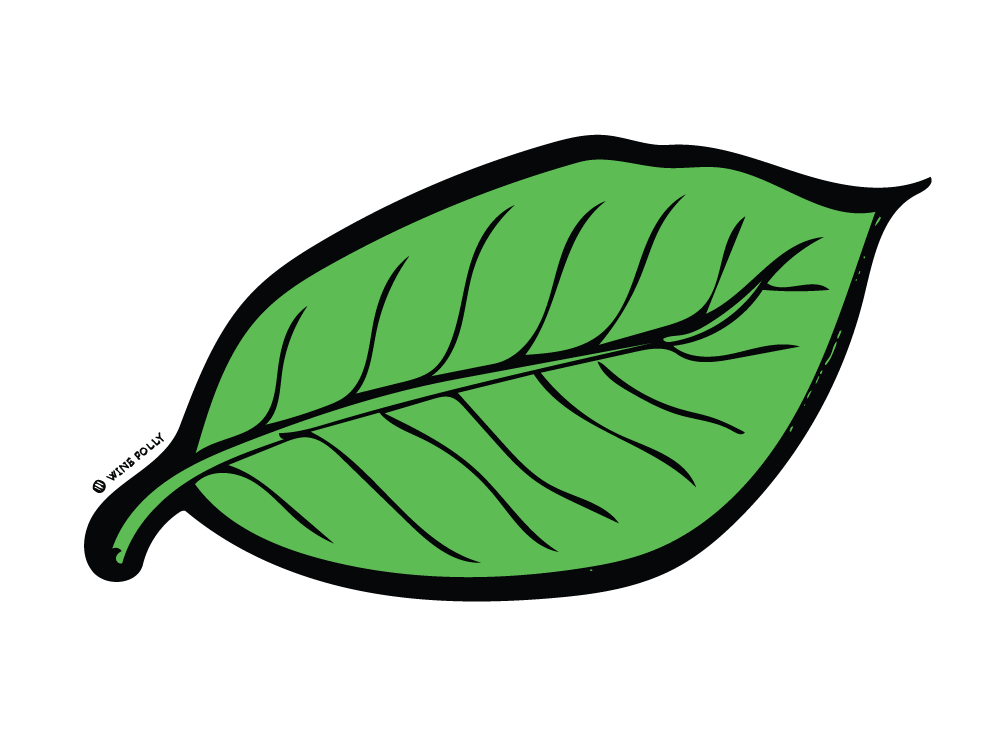
Fresh & Green
Think of plants in their living form, still wet and filled with chlorophyll. You might smell this and think about tending your herb garden. Or you might be reminded of chopping vegetables.
- Grassy: alfalfa bales, pulled weeds, poor quality weed, green tea
- Herbaceous: wintergreen, fresh oregano, dill, fresh thyme
- Vegetal: green bell pepper, jalapeño, brassica stalk

Dried Herbs & Greens
Here’s where things start getting less polarizing. Forget the veggies, ditch the grass. You’re thinking less of the live chlorophyll kind of greenery; instead, think about the different pungency of dried or roasted herbs.
- Resinous herbs: roasted thyme, rubbed sage, Herbes de Provence, dried mint, juniper
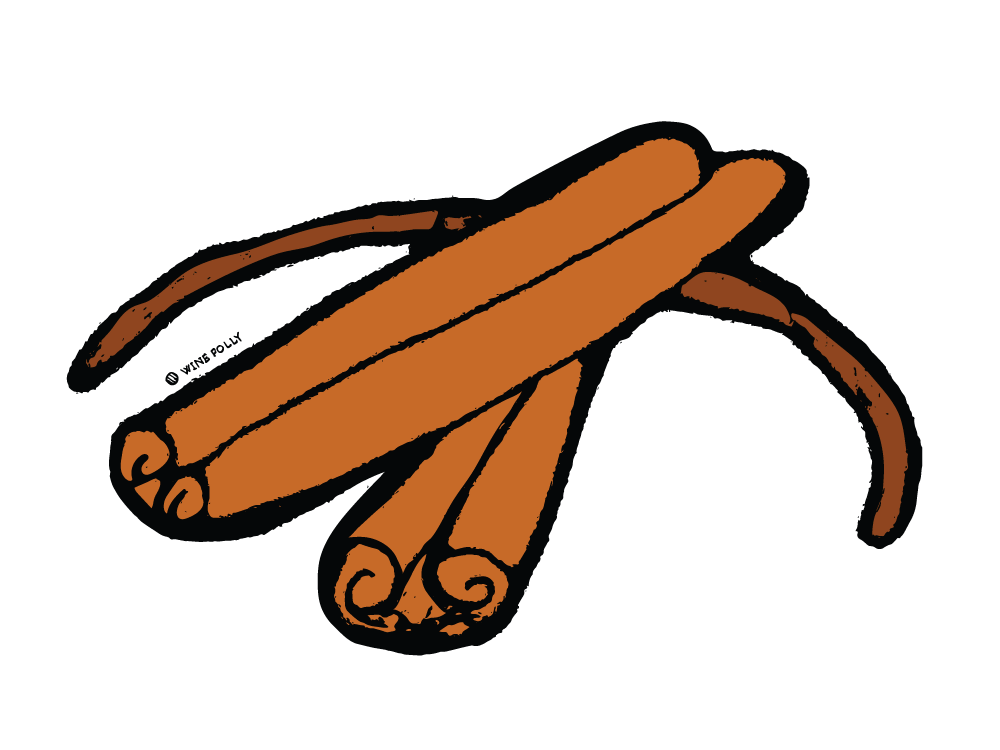
Spice & Wood
The most intriguing and delicious contributions of fermenting whole clusters are often grouped in this category. The pleasant aspects of “dried green” often coexist with green-brown, yet the latter is distinct in its sexy, resinous kind of earthiness.
- Spicy: nutmeg, cinnamon stick, cardamom, incense, green peppercorn
- Woody: sandalwood, palo santo, rosewood, cigar box, black tea
Can the Percentage of Whole Cluster Tell Me How Stemmy a Wine Is?
Short answer: not really.
How much the stems actually infuse their stemmy flavor into a wine varies a great deal. Some wines taste green with 20% whole cluster, and others are subtle even with 60% stem inclusion.
For example, carbonic maceration doesn’t allow juice to mingle too much with the stems. While some berries get crushed under the weight of others, the vast majority of the juice remains inside the berries. A wine can be 100% whole cluster and still taste surprisingly subtle.
On the other hand, a wine that is 100% whole-cluster and foot-stomped (think Lucy & Ethel) will have quite a bit more juice percolating through all those stems. Depending on the fruit you’re talking about, you may find a husky expression of stemmy-ness. Maybe not, though!
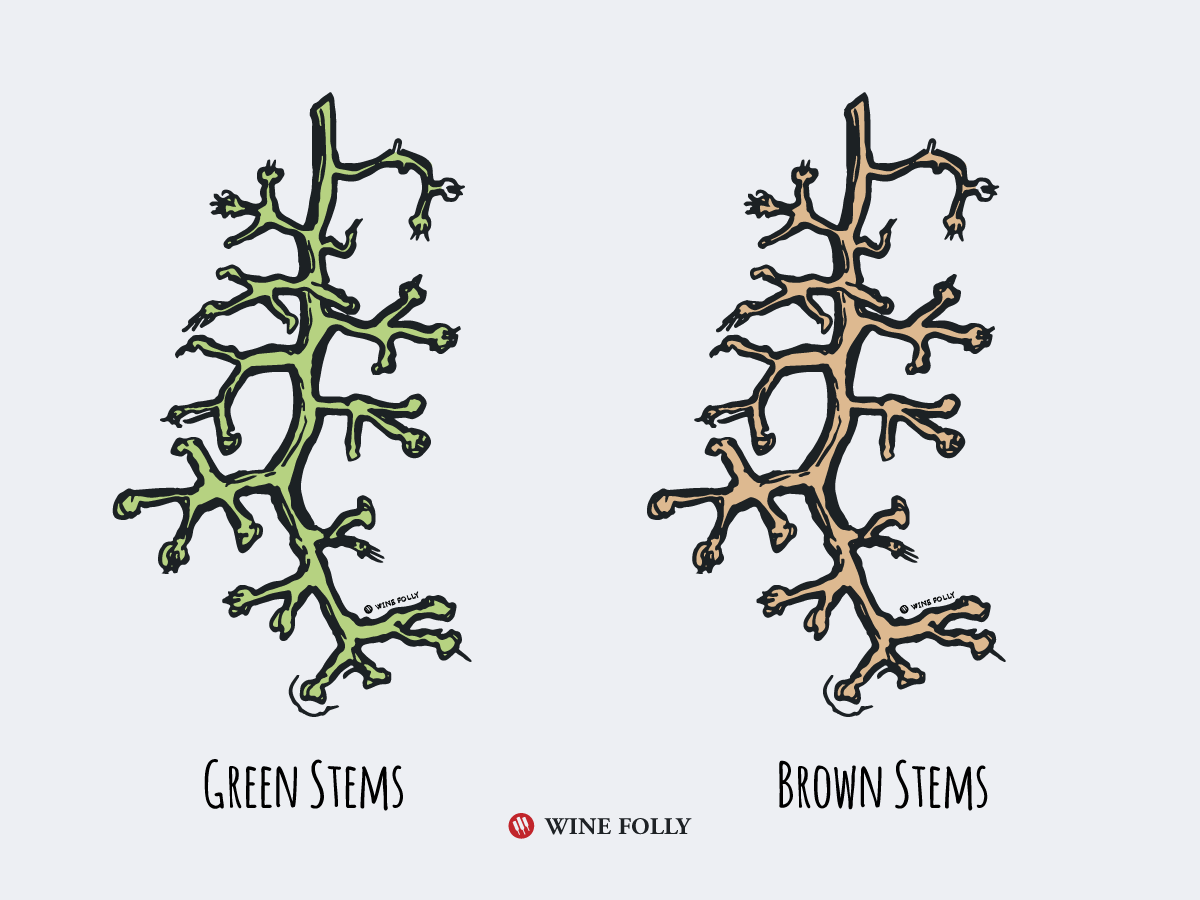
Green Stems vs Brown Stems
Next time you buy fresh market grapes, take a look at the quality of the stems. Are they flexible and green or stiff and browning? Winemakers refer to the browning of stems as lignification. Stem ripeness has a huge impact on how whole-cluster wines taste.
There’s a lot of disagreement among winemakers about what constitutes lignified. Some believe stems must be browned. Others assess stem hardness more than color. What matters is that it signals to the vintner that the vine has fully pivoted away from maintaining its canopy (the leaves) to fully ripening the grapes.
Some winemakers literally chew the stems in the vineyard to decide whether they’re ripe enough to ferment. Others embrace the potential herbaceousness and trust aging to diminish it.
Cellaring Whole Cluster Wines
If a young whole-cluster wine feels a little too green or herbal, don’t write it off just yet. Research suggests that while pyrazines remain in the wine, our perception of them often changes with age.
What stems reliably contribute is structure, aromatic complexity, and another tool for shaping a wine’s balance. Some winemakers also believe that stems improve color stability, so even if they remove some color from a young red, the colour will remain vibrant longer.
So, the next time you say hello to a winemaker in a tasting room, ask them more about what they do with their stems. Chances are, they’ll have strong opinions about stems, and they’ll probably be happy to share them.