

Carménère originated in Bordeaux, France, but today thrives in Chile and China. It’s prized for its supple red and black berry flavors, alongside distinctive herbaceous and green pepper notes. Genetic research has identified it as Cabernet Gernischt, a major Chinese red grape.
Also known as: Cabernet Gernischt, Grand Vidure
Table of Contents
Primary Flavors
- Raspberry
- Bell Pepper
- Black Plum
- Vanilla
- Paprika
Taste Profile
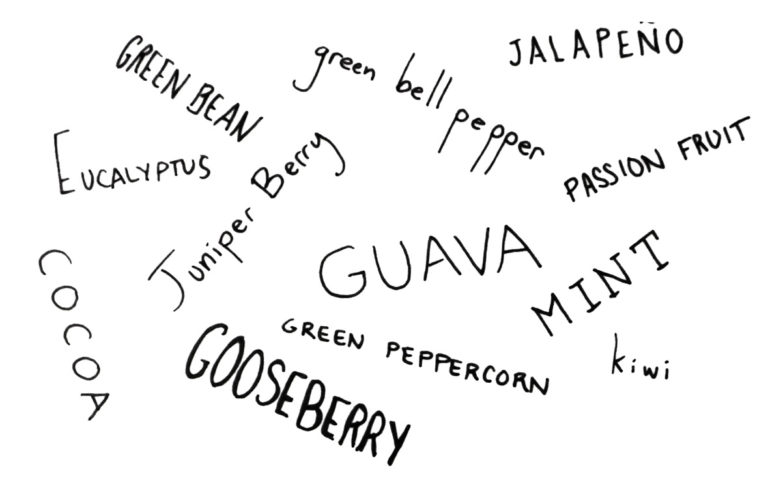
Carménère contains relatively high levels of aroma compounds called methoxypyrazines, which contribute distinctive green notes of bell pepper, leafy herbs and green peppercorn. These compounds are also found in Cabernet Franc and Cabernet Sauvignon.
On the nose, Carménère has a distinctive herbaceous and bell-pepper aroma. But it also has intense red cherry and blackberry aromas. When aged in oak (which is common), you’ll also find vanilla and smoke aromas. With age, you’ll find leather and earthy notes too.
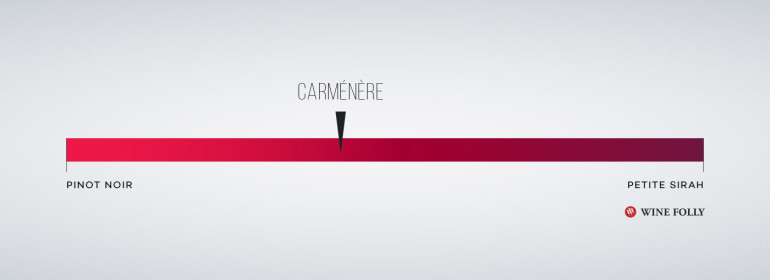
On the palate,it generally shows more moderate tannins and acidity than Cabernet Sauvignon and Cabernet Franc, although some age-worthy examples have considerably more structure. Body ranges from medium to full, with alcohol sometimes reaching 14–15% ABV.
How to Serve Carménère Wine
Serve just below room temperature, between 60°F and 68°F (15–20°C). This allows the aromas to develop while keeping the wine cool enough to prevent its alcohol from overwhelming them.
A universal or standard red wine glass provides enough room for the aromas to develop and reach the nose. Decant for 30 minutes before serving to further open up the wine.
With age, Carménère develops leathery and earthy notes. Enjoy everyday examples within a few years of release, while more structured bottles can evolve for a decade or longer.
SERVE
60–68°F / 15-20°C
GLASS TYPE
Universal
DECANT
30 minutes
CELLAR
5-10 Years
Carménère Food Pairing
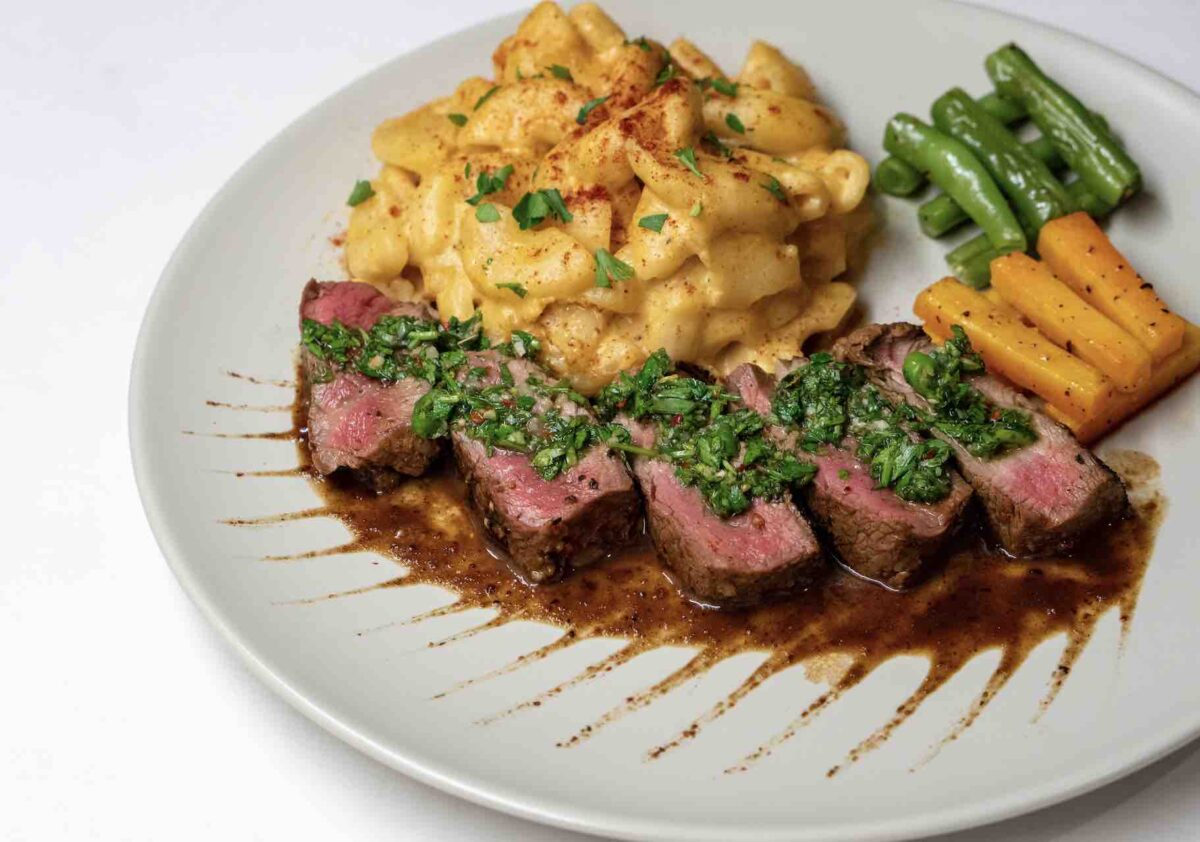
Moderate tannins and fresh acidity make this a versatile red for a wide range of dishes. Lean grilled meats with savory sauces, such as chimichurri, green salsa, mint or parsley pesto, complement its herbal character and bring out the fruit. A great example is Cuban-style roast pork, known as lechón asado.
Beyond red meat, try it with poultry, including turkey and duck. It’s also a versatile option for vegetarian dishes, particularly pinto bean chili or white bean and kale soup.
5 Fun Facts About Carménère
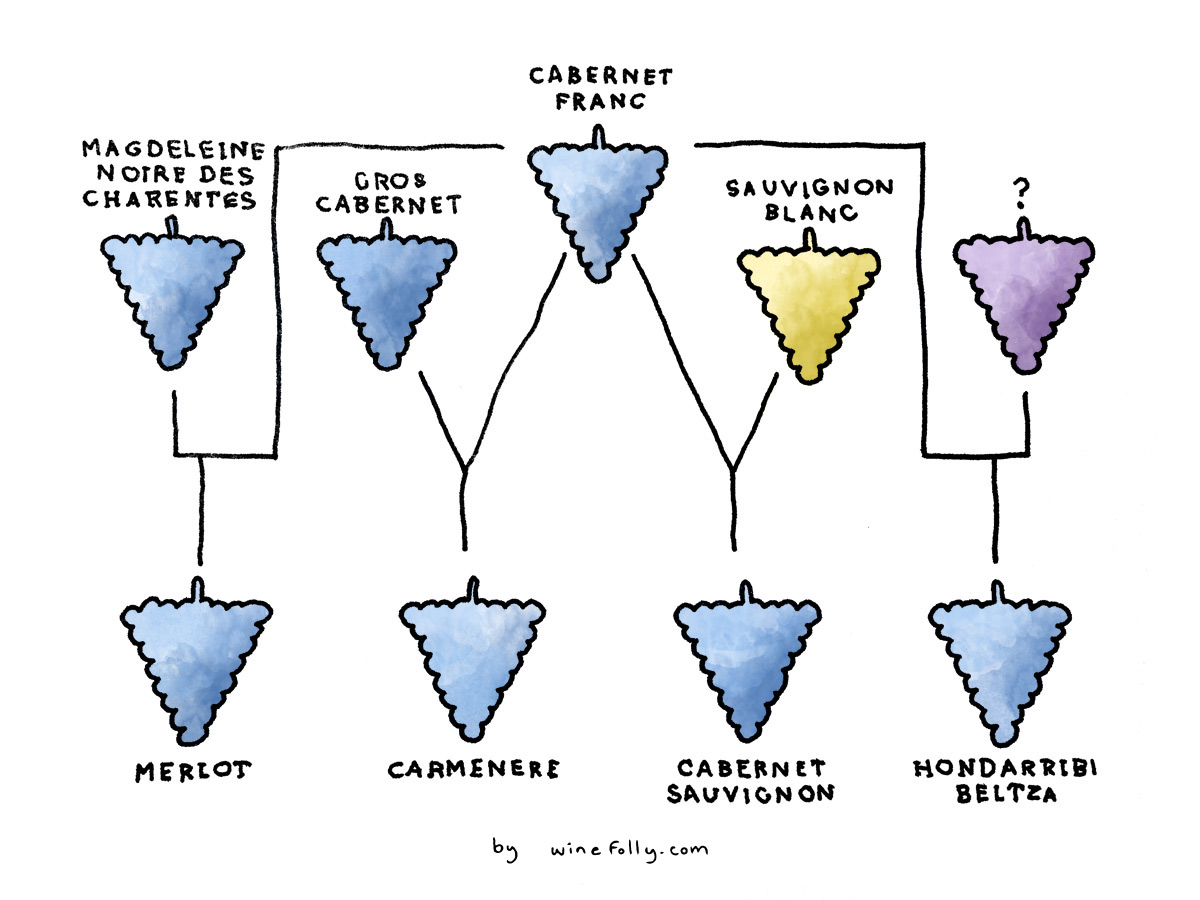
- Carménère is a half-sibling of Merlot and Cabernet Sauvignon. Its parents are Cabernet Franc and Gros Cabernet, an old Bordeaux variety.
- Carménère is a very slow ripening grape, and is often one of the last ones for picking during harvest, about 4-5 weeks after Merlot.
- Carménère was first introduced to Chile in the mid-1800s and was initially mistaken for Merlot until 1994.
- Carménère is nearly disappeared from commercial cultivation in its homeland, France, but is the 5th most important grape of Chile.
- Carménère has possibly been around since Roman times, when it was known as Biturica.
Where It Grows
Originally from Bordeaux, France, Carménère once played an important role in regional blends, particularly in areas of the Médoc and what are now Graves and Pessac-Léognan.
However, due to the phylloxera infestation, nearly all the Carménère vines – along with most of the vineyards in Bordeaux – were wiped out. When vignerons in Bordeaux replanted, however, they opted to plant the easier-to-grow Cabernet Sauvignon and Merlot instead, and Carménère was thought to be on the verge of extinction.
Introduced to Chile in the mid-1800s, it found an ideal home and is now widely regarded as the country’s flagship grape. Chinese growers also planted it in the late 19th century, where it became known as Cabernet Gernischt. China now has the world’s largest plantings.
- China: 27,676 acres (11,200 hectares)
- Chile: 25,953 acres (10,503 hectares)
- Italy: 1,570 acres (635 hectares)
- Argentina: 146 acres (59 hectares)
- France: 69 acres (28 hectares)
Total Vineyard Area — 55,564 acres (22,486 hectares) (Source: University of Adelaide, 2021)
China
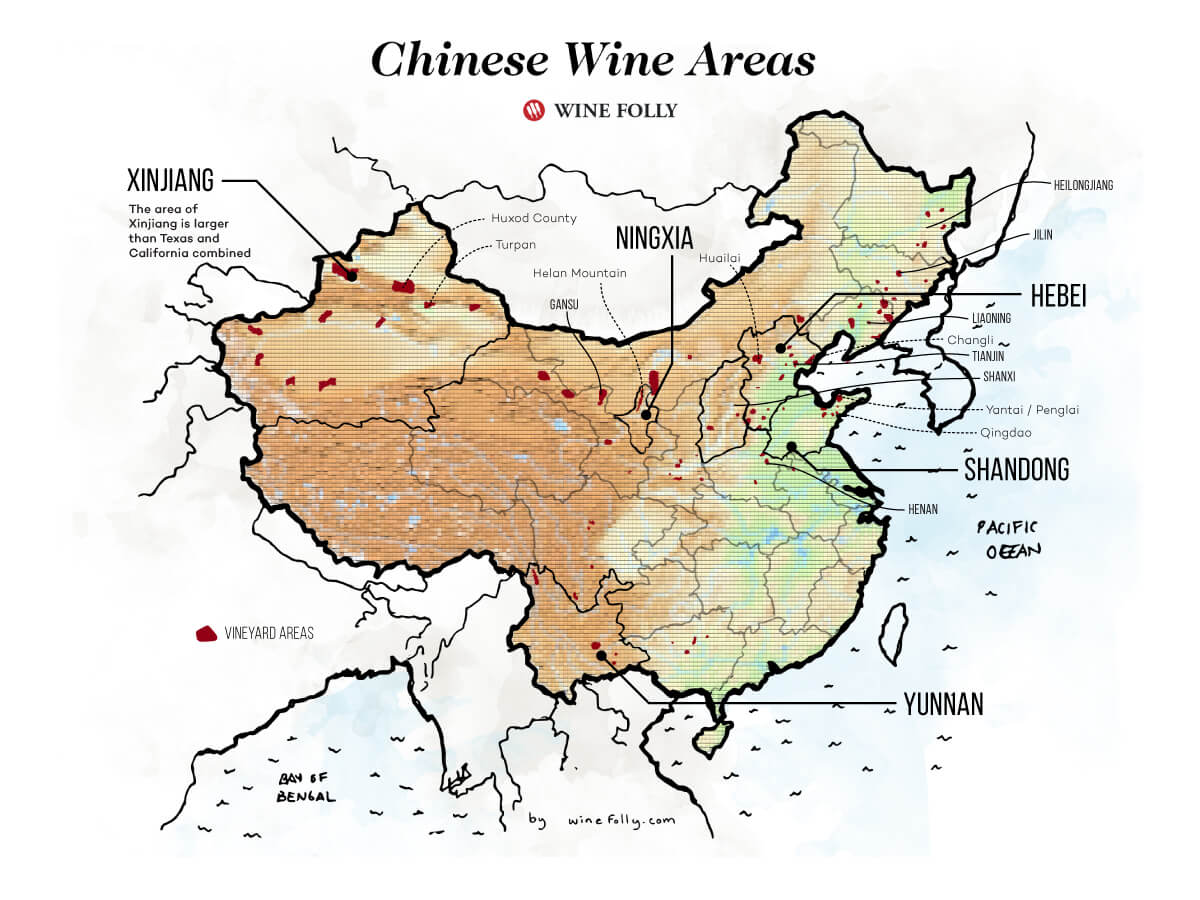
What to expect: Carménère here is known as Cabernet Gernischt and is often blended with other Cabernets, like Cabernet Sauvignon and Cabernet Franc. Most of these blends have a very distinctive green bell pepper note and pronounced peppercorn notes as well.
Ningxia ranks among China’s most acclaimed wine regions, specializing in Bordeaux varieties such as Cabernet Sauvignon, Merlot and Cabernet Gernischt. Growers also cultivate the grape in several other wine regions across the country.

Chile
What to expect: Most Chilean plantings sit within the Central Valley, the country’s largest wine-producing region. Across its subregions, expect ripe red and black fruit alongside generous green bell pepper notes, fine tannins and fresh acidity.
Maipo Valley: Maipo is the northernmost subregion of the Central Valley Region. This area produces lighter, more refined examples with floral notes of cherry, hibiscus and rose. Altitude and cooling influences from the Andes contribute subtle petrichor and granite-like mineral notes.
Cachapoal Valley: The Cachapoal Valley tends to produce Carménère wines that balance ripe cherry fruit with characteristic herbal and green peppercorn notes. Their often-elevated acidity also suggests good aging potential.
Peumo: A sub-zone within the Cachapoal Valley, Peumo ranks among Chile’s most acclaimed areas for the variety. One of the country’s oldest wine-producing areas, it yields fuller-bodied wines with sweet red berry aromas and higher alcohol. The best examples can age for around 15 years.
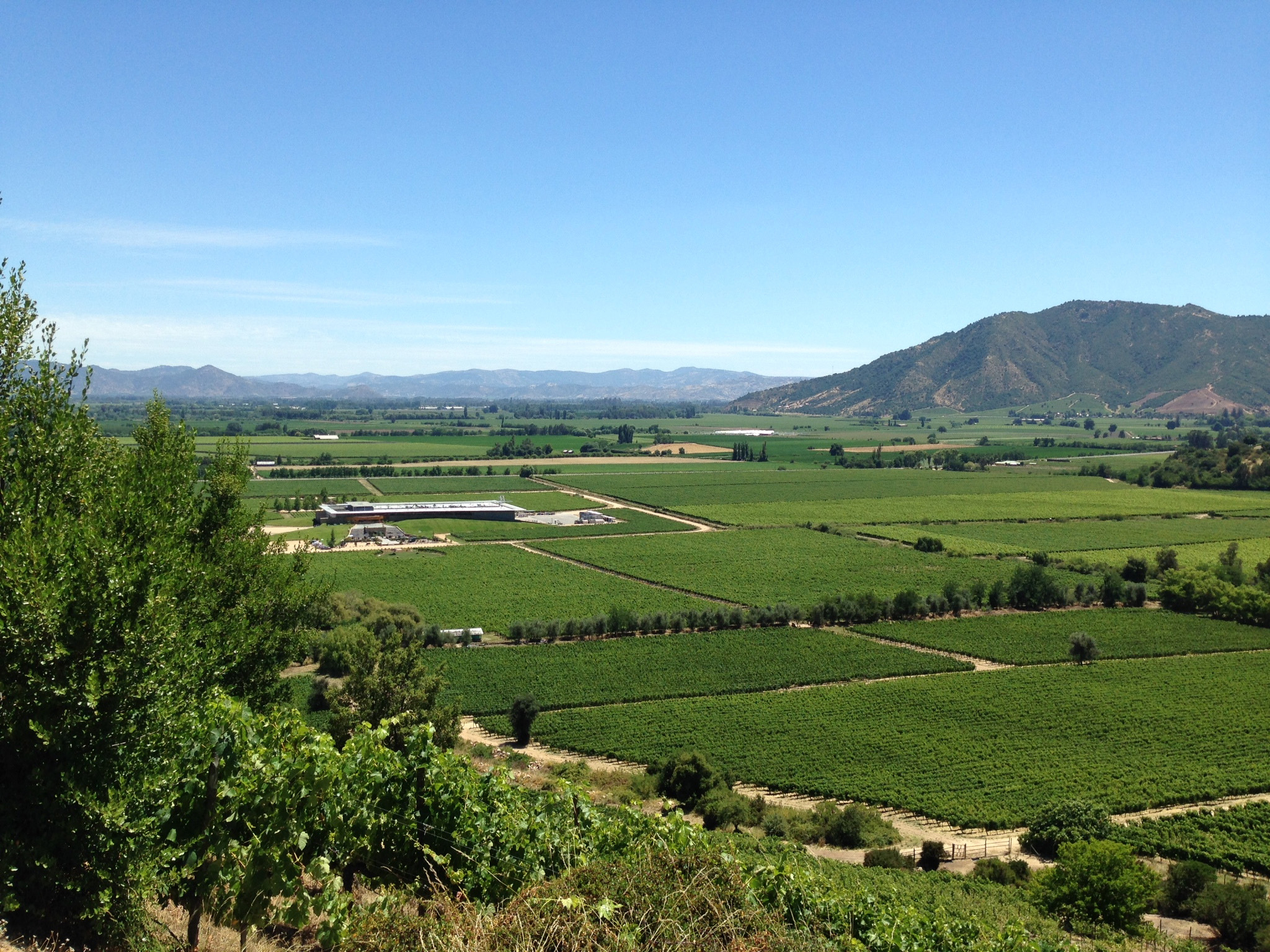
Colchagua Valley: You’ll find that most Carménère on the market today hails from Colchagua Valley. Most wines will exhibit rich raspberry aromas, along with a distinct herbal note reminiscent of green peppercorn. However, the region is quite varied in style from the coast to the foothills of the Andes.
Apalta: Within the Colchagua Valley is a subregion called Apalta, in the transverse range between the Andes and the Pacific. The region produces Carménère wines with more structured tannin and are often oaked to reveal sweet raspberry notes and very little herbaceousness. The region is home to just a handful of wineries, as the rest is protected forest land.
In-Depth Knowledge
Take a deep dive into understanding the complex nature of Carménère.
Why So Green?
In the world of wine, Carménère is like the eccentric uncle with an unforgettable personality, all thanks to a family of aroma compounds known as methoxypyrazines. Picture this: it’s like a family reunion with its parent, Cabernet Franc, but instead of bringing a bottle of Bordeaux, Carménère rolls in with a bowl of green peppers.
These bold, veggie-like scents are the handiwork of a methoxypyrazine named isobutyl methoxypyrazine (IBMP). Yet when Carménère has had enough sunbathing, it can also unleash a burst of rich, dark fruit flavors. Yes, Carménère’s a bit of a show-off, but we wouldn’t want it any other way – it’s what makes this ancient grape variety so distinctively delightful!
Witness Protection Program
Carménère, an old-world grape with a sense of adventure, took a journey from the vineyards of Bordeaux only to find itself unwittingly settling in Chile, creating a cozy home away from home.
It’s like the grape’s version of a Witness Protection Program, hiding under the guise of Merlot until the mid-90s, when a curious ampelographer revealed its true identity. But the plot thickens!
Across the Pacific, China was busy nurturing vast vineyards of what they charmingly called “Cabernet Gernischt”. Surprise, surprise, it’s our globe-trotting Carménère again!
A victim of mistaken identity twice over, Carménère has renewed popularity in these distinct terroirs. Now, it’s standing tall in Chile’s vineyards and coloring the vast expanses of Chinese countryside with its deep purple clusters, adding a spicy, earthy flair to the global wine narrative. Talk about a grape with a double life!